Excessive Sweating - The Facts >> More Information


Sweat is essential to human survival and serves as the body's coolant, protecting the skin. It is mainly comprised of water but it also contains some salts.

Sweat is produced by the glands of the deeper layer of the skin - the dermis. They are found all over the body, however are most active on the forehead, armpits, palms and the soles of the feet.
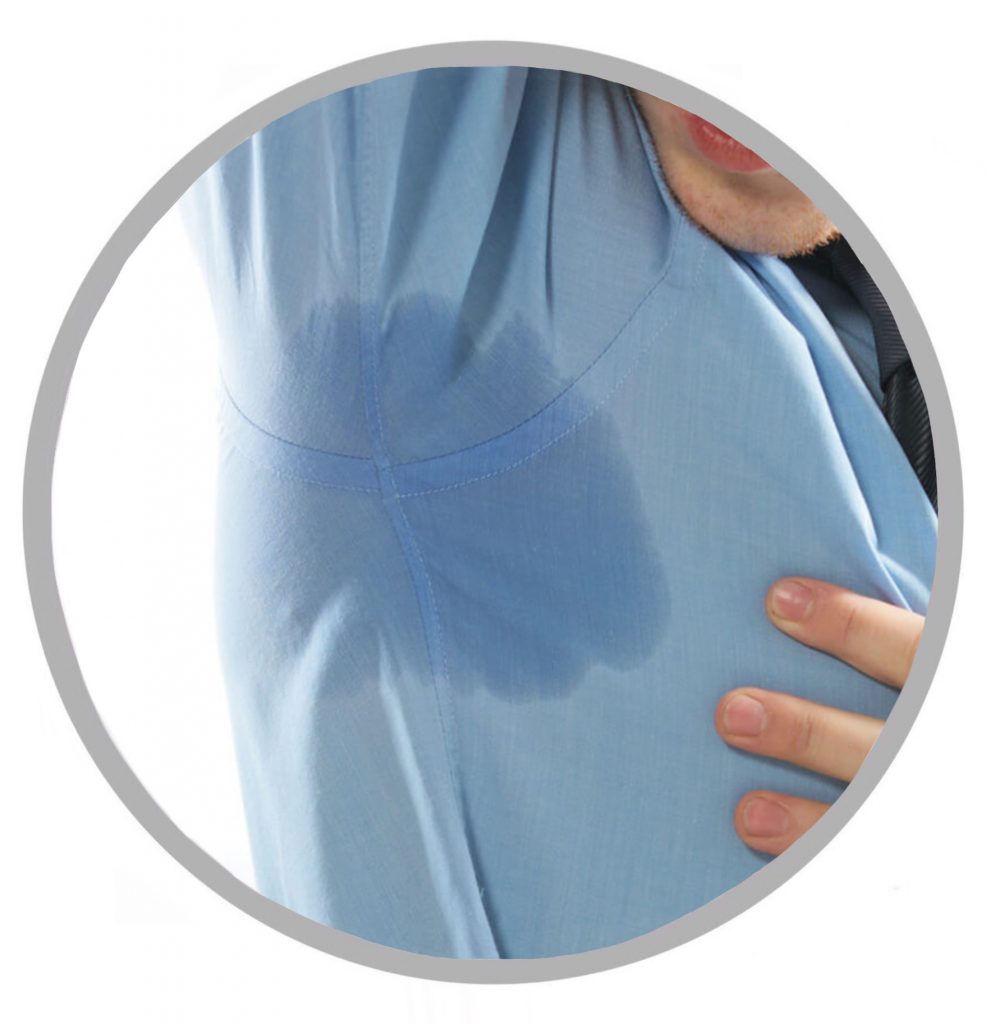
Hyperhidrosis is a condition that is characterised by sweating or perspiration in excess of the normal needs of the body.
It is classified as either primary or secondary hyperhidrosis. Primary hyperhidrosis is not due to any particular underlying reason, and can result in excessive sweating in the palms, feet, underarms, face and scalp. There is usually an associated family history. Sweating usually affects both sides, and is less at night than during the day. Secondary hyperhidrosis is a result of an underlying medical condition such as infection, endocrine disorders, metabolic disorders, neoplastic diseases, neurological conditions, spinal cord injuries, cardiovascular disorders, respiratory disorders, anxiety and stress. The treatment of secondary hyperhidrosis will require treatment of the underlying problem or cause.


How can hyperhidrosis be treated?

Primary hyperhidrosis can be treated with topical treatments, iontophoresis, oral medication (anti-cholinergics), Botox injectionons and finally, surgery. The treatment of secondary hyperhidrosis will require treatment of the underlying problem or cause.
Anti-perspirants are usually the first line of treatment for underarm and palm sweating, but are not as useful in other areas. Driclor, a brand of aluminium chloride, blocks sweat glands and eventually destroys them. It is usually applied at night and washed off in the morning. In the long term, it can be used less frequently as sweating decreases. Irritation is a common side effect.Driclor is available over the counter.

Another method of hyperhidrosis is by using anti-cholinergic medication. Anti-cholinergics affect the part of the autonomic nervous system, which is the nervous system for unconscious functions, and help to reduce sweating. It is not completely selective for sweating, and also tends to affect other parts of the autonomic nervous system leading to dry mouth, constipation, urinary retention, and blurred vision. An example of a commonly used anti-cholinergic is Probanthine. The advantage of anti-cholinergics is that it can treat sweating in any area. A script can be written by your local doctor or the doctors at Jeunesse.
Iontophoresis is an effective means of reducing sweating. It involves the use of a electrically charged current that is run through tap water with or without the addition of anti-cholinergic medication in the water. The hands, feet and sometimes the underarm area is put in this electrically charged water. The mechanism of action is not definitively known. Frequent sessions are required initially, until the sweating is controlled, and then regular maintenance sessions are required to keep this improvement continuing.
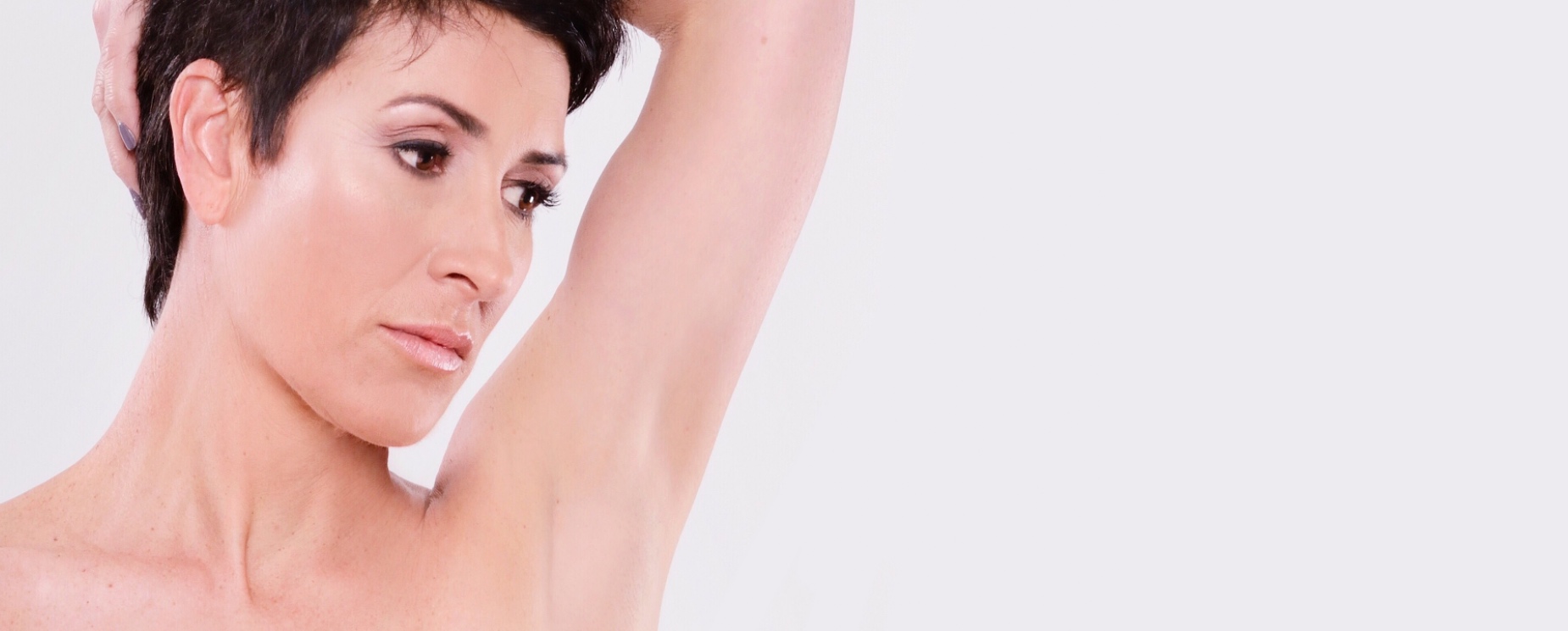
Botox injections normally used to help reduce the wrinkles on the face can also work to stop sweating. They have been widely used for the treatment of hyperhidrosis, especially in the underarms, palms and face. It can also be used in the feet, but is very painful to inject in this area. By stopping the nerve signal to the sweat glands in the area it is injected into. As there usually is multiple injections required, it is performed after the application of local anaesthetic cream to reduce any discomfort. The underarms are the most common area treated by anti-wrinkle injections. Usually 100 units are used for this area, and the cost of this treatment is $1400. The hands can also be treated, and often only the dominant hand is treated (to avoid a wet hand shake). The dosage is variable in the hands, but usually requires around 75-100 units per hand . The face can be treated for excessive sweating. There is the possibility that it will affect the muscles of facial expression also, and this may lead to unwanted changes in the muscles. The dosage for the face will depend on the size of the area treated. Feet are very difficult to treat with Botox injections and can often be unresponsive to even larger doses. The main difficulty with the treatment of feet is the sensitivity of this area to injections.
Endoscopic thoracic sympathectomy is usually the final step in improving hyperhidrosis. By surgically disrupting the nerves that cause sweating (the sympathetic nervous system), this procedure is able to reduce sweating in the upper limbs, feet, or underarms. This part of the nervous system is also responsible for other functions such as the size of the pupil, opening the eyelids, hence this surgery can also disrupt these functions. Furthermore, compensatory sweating may occur in the areas that have not been treated. This treatment is not performed at Jeunesse.

Duration of effect of Botox
After the first treatment the effects of the prescribed hyperhidrosis Injected substance last an average of 10-12 months. However, the amount of time the injected substance remains effective may vary. When your symptoms begin to return, see your doctor.
Possible side effects
Worldwide, the prescribed hyperhidrosis injected substance has been used since 1989 to treat a variety of conditions, including cerebral palsy in children and movement disorders [head, neck, shoulder and face].

As with all medicines the prescribed hyperhidrosis injected substance may cause some side effects. Generally, any side effects experienced with the substance are temporary. The most common side effects for primary hyperhidrosis are a perceived increase in sweating in areas other than the underarms, pain at the injection site, pain, hot flushes, and transient arm weakness.


Why should I choose Jeunesse as my provider of hyperhidrosis treatment?
Hyperhidrosis is a medical condition that needs to be assessed by doctors. At Jeunesse, we will provide a full medical assessment of your condition, and then advise the appropriate treatment. We specialise in Botox treatments for underarm or axillary sweating.

The first step is simply contacting us for your initial consultation, where we will discuss with you what is a realistic and achievable outcome, and what to expect from your treatment.